By Ayumi Davis, Fort Hood Public Affairs
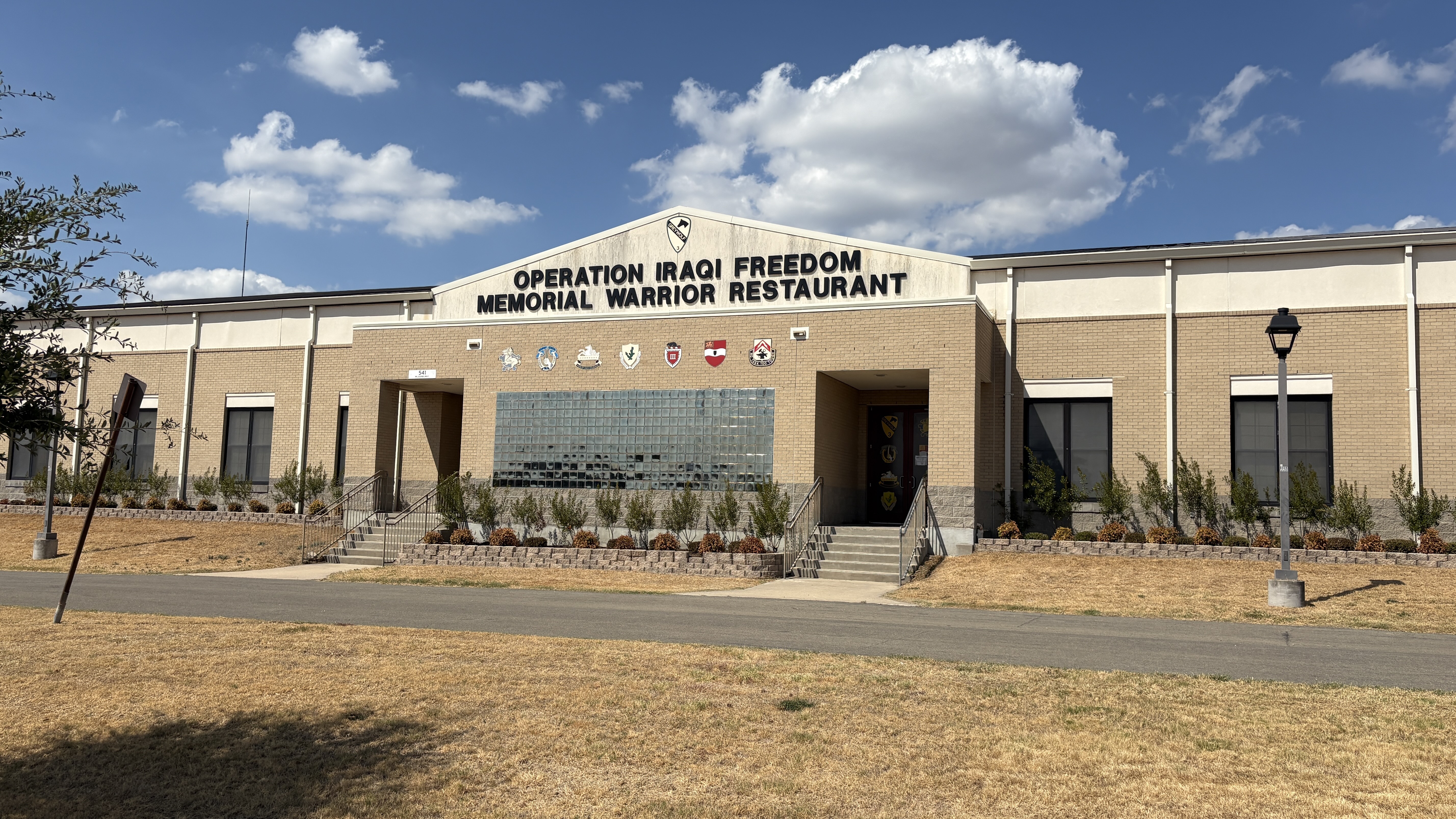
FORT HOOD, Texas – Operation Iraqi Freedom Dining Facility reopened Sept. 21 after being closed for over a month.
The DFAC served a special menu to mark the reopening. OIF DFAC originally closed July 27 after the discovery of a pest infestation.
Upon inspection of the facility, a water leak deep inside a wall at OIF was discovered, said Maj. Jeff Pierre-Louis, U.S. Army Garrison-Fort Hood executive officer.
“That caused a great habitat for pests,” he said. “It was also the hottest part of the year. It was also a place where we serve food. … Specifically, that week was after bait was placed for pests. … Altogether (it) resulted in an infestation.”
The leak was repaired, potential points where insects could enter the facility were sealed and the sewer line for OIF DFAC was also hydro jetted.
“We did the hydro jetting, which provides high-pressure water going through pipes of the facility to make sure we flush it to include our grease traps that we have,” said Sgt. Maj. Kressasidy McKinney, chief culinary management sergeant major, G-4, III Armored Corps. “It’ll take away some of the long-standing oils and grease and things of that nature from the daily operations of the facility.
‘”Being able to elevate the cleaning process to that allowed us to get a better eye on where some of the concerns lied – to include those leaks that have been repaired, cracks in the floors, things of that nature – have all been taken care of, which can be a gateway to the infestation, is now at a mitigated point,” McKinney added.
The hydrojetting is not required by the Army, but leadership determined that the investment was warranted to prevent future issues. All dining facilities on Fort Hood, including OIF DFAC, will undergo routine hydro jetting, effective immediately.
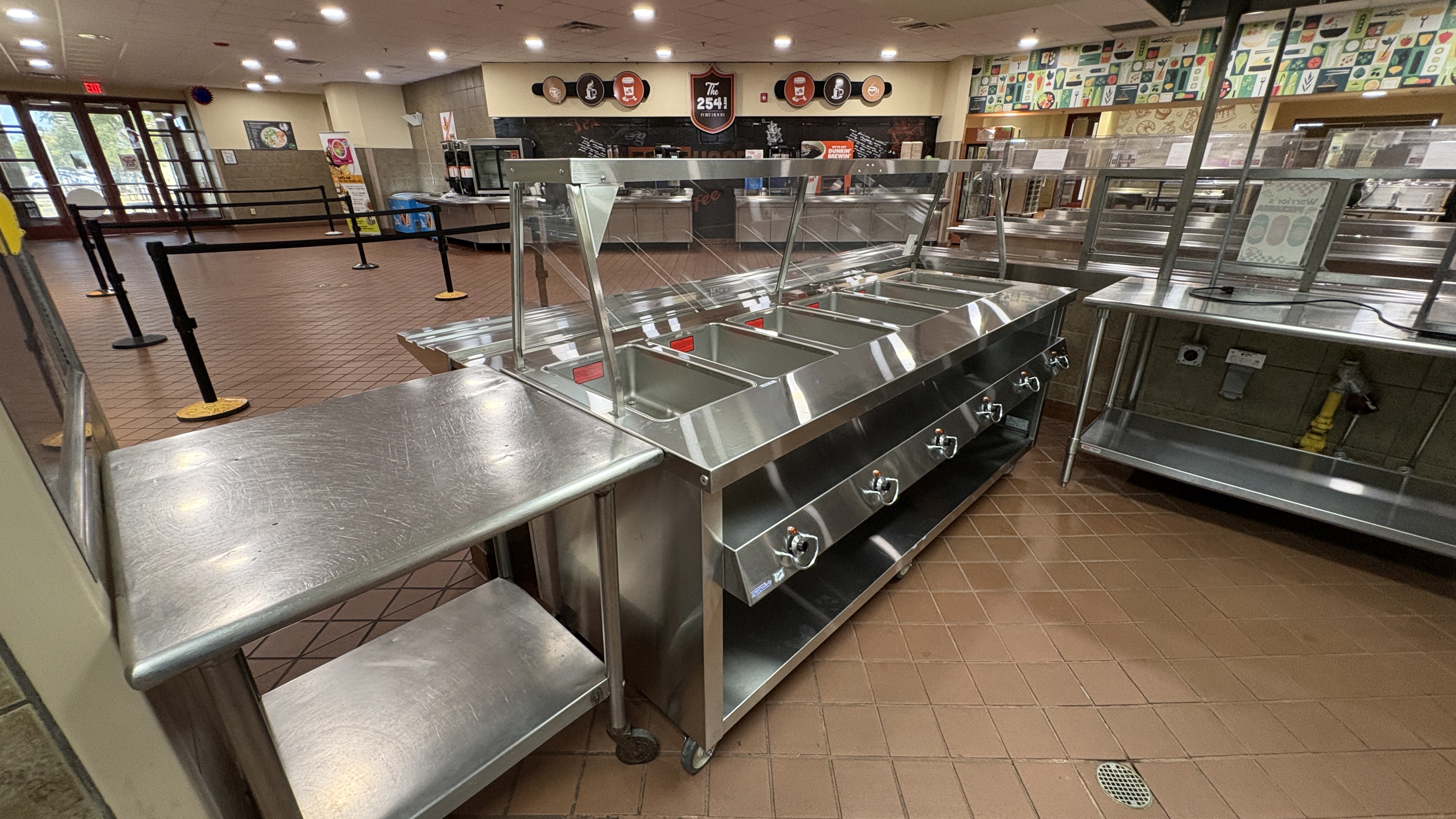
Additionally, equipment nearing the end of its lifecycle was replaced as well, which provides less ground for infestation, Pierre-Louis said.
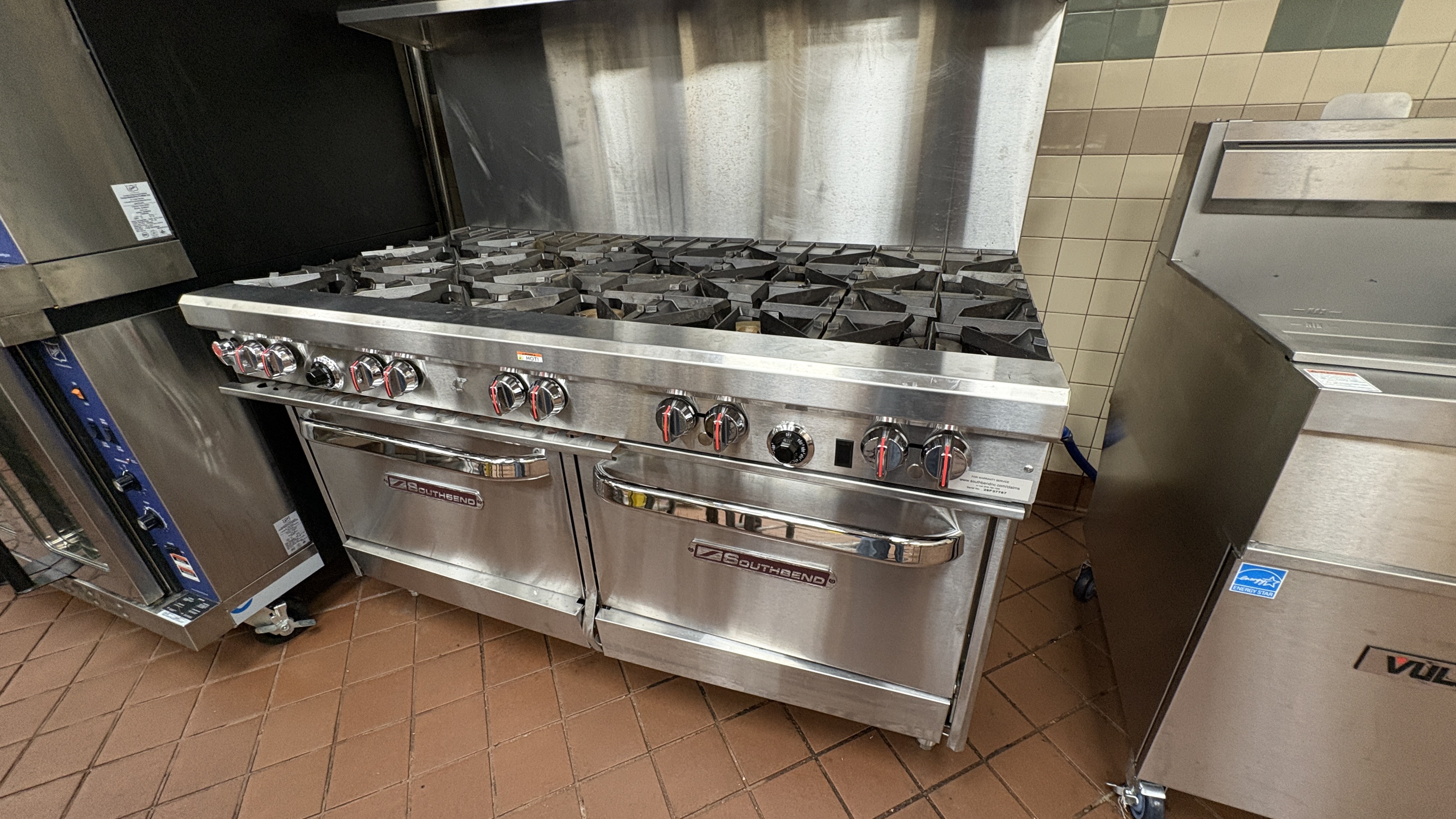
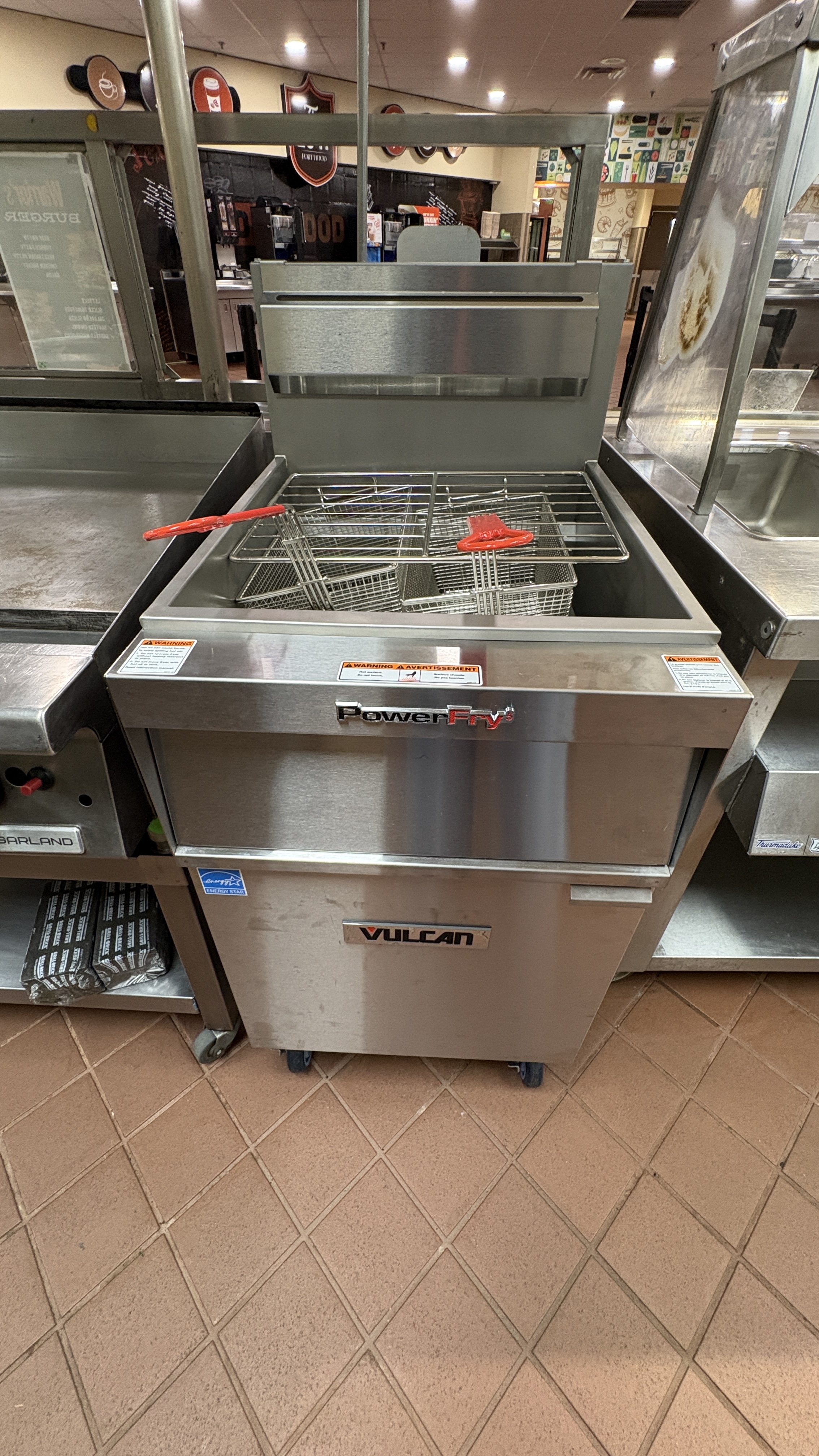
“We replaced ovens, … deep vat fryer, tilt grills – anything that has a cooking surface or anywhere where you can get visitors that are unwanted,” McKinney said. “We were able to replace those successfully.”
Sgt. Maj. Kressasidy McKinney, chief culinary management sergeant major, III Armored Corps, said Fort Hood also moved to create a team to inspect the other seven DFACs on the installation which included representatives from the Directorate of Public Works, 407th Army Field Support Brigade, preventive medicine, environmental health and entomology, along with herself and Chontrelle Sturdivant, Fort Hood food program manager.
“That way we can assess the activity that may have or not been in the facility, and that allows us the opportunity to continue with a mitigation plan to ensure that it was under the control measures before the facility would return to an operational state,” McKinney said.
All the other DFACs successfully passed their inspections and potential penetration points for insects were sealed. In total, over $130,000 were spent for cleaning, repair and replacement of equipment.
The 42 Bistro food truck, along with the culinary outpost food trucks, served food to Soldiers to compensate for the closure of OIF.
“We received great feedback from the Soldiers that were supported within the area,” McKinney said. We’ve even had command teams and myself go to the food truck to ensure that it was providing nutritious meals, and that was three meals a day, Monday through Friday, and the two meals on Saturday and Sunday.”
Phantom Inn DFAC also extended its hours to include dinner on the weekdays and brunch and supper on the weekends.
Moving forward, Command Sgt. Maj. Loyd Rhoades, U.S. Army Garrison-Fort Hood command sergeant major, is confident this situation will not happen again.
“I think them understanding what to report, what to look for, how to look for it and how to annotate it, I firmly believe that we will go forward without another mishap or another infestation in any of our DFACs,” Rhoades continued.
The garrison commander and Rhoades routinely eat at the DFACs to ensure they are meeting standards and providing quality meals.
“I had lunch at one of our DFACs, and the commander and I go once a week,” Rhoades said, “and we rotate DFACs to go have a meal at a DFAC, so we can get hands on and eyes on the DFAC to see the quality of food, their cleanliness, interactions and stuff like that, so we can make sure we are making sound decisions for the Soldiers and families here on Fort Hood.”